Sankat Mochan Temple
“ Sankat Mochan Temple is a prominent Hindu temple in Varanasi dedicated to Lord Hanuman. Established in the tradition of Goswami Tulsidas, the temple is known for its religious importance, annual classical music festival, and its enduring place in the spiritual life of the city. ”
Overview
Sankat Mochan Temple is one of the most revered Hindu temples in Varanasi, Uttar Pradesh. Dedicated to Lord Hanuman, the temple is regarded as an important center of devotion for followers of Lord Rama and Hanuman. Located near Banaras Hindu University (BHU), it attracts thousands of worshippers every day, particularly on Tuesdays and Saturdays, which are considered especially auspicious for Hanuman worship.
The name Sankat Mochan translates to "the remover of troubles," reflecting the belief that sincere prayers offered at the temple help devotees overcome difficulties and obstacles. Alongside its religious significance, the temple is also known for preserving India's classical music traditions through the annual Sankat Mochan Sangeet Samaroh.
History
The origins of Sankat Mochan Temple are closely associated with the 16th-century poet-saint Goswami Tulsidas, the author of the Ramcharitmanas. According to local tradition, Tulsidas had a vision of Lord Hanuman at the site where the temple now stands. Inspired by this experience, he established a shrine dedicated to Hanuman, which gradually became one of the most visited temples in Varanasi.
Although the present structure has undergone several renovations over the centuries, the temple continues to preserve its historical and spiritual identity. It remains an important destination for pilgrims from across India who visit Varanasi as part of their religious journey.
Architecture
Unlike many grand temple complexes, Sankat Mochan Temple is known for its modest and functional design. The focus of the temple has always been on worship rather than elaborate architecture.
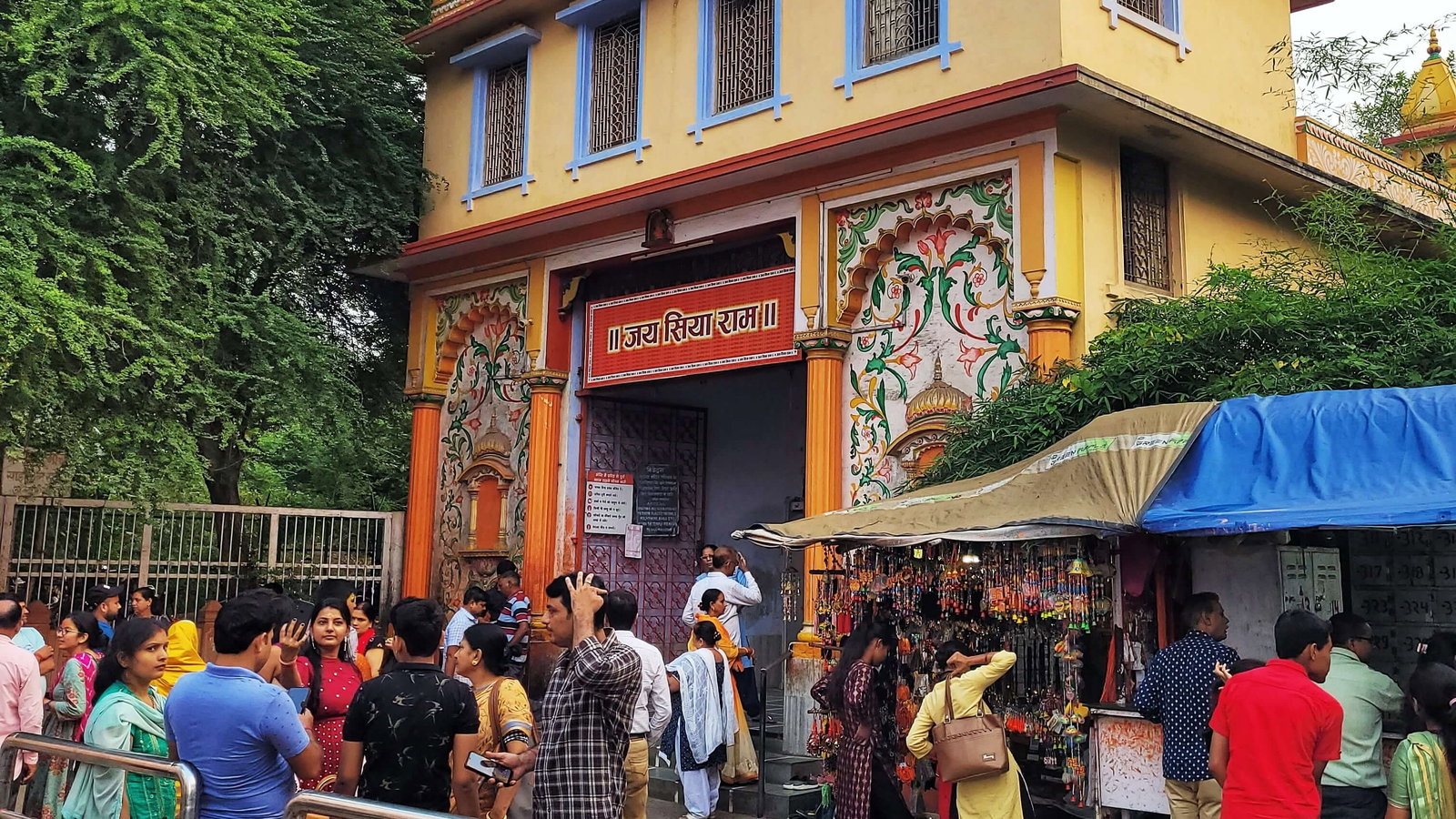
The main sanctum houses the idol of Lord Hanuman, where devotees offer flowers, vermilion (sindoor), sweets, and garlands. The surrounding temple complex includes open courtyards, shaded walkways, and smaller shrines dedicated to other Hindu deities. Large trees within the premises add to the peaceful atmosphere, making the temple a comfortable place for visitors to spend time in prayer and reflection.
Religious Significance
Sankat Mochan Temple holds a special place in Hindu tradition because of its association with Lord Hanuman, who is revered as the symbol of devotion, courage, humility, and selfless service.
Devotees believe that worshipping Hanuman at this temple brings strength during difficult times, protects against negative influences, and helps remove obstacles from one's life. Recitation of the Hanuman Chalisa is a common practice throughout the day, and many visitors choose to sit quietly in the temple after offering prayers.
The temple receives particularly large crowds on Tuesdays and Saturdays, when special prayers and offerings are performed.
Festivals
Hanuman Jayanti
Hanuman Jayanti is the most significant festival celebrated at Sankat Mochan Temple. Thousands of devotees gather from early morning to participate in special prayers, devotional singing, and religious ceremonies dedicated to Lord Hanuman. The temple is decorated with flowers and lights, while devotees queue for several hours to seek blessings.
Sankat Mochan Sangeet Samaroh
One of the temple's most distinctive traditions is the Sankat Mochan Sangeet Samaroh, an annual festival of Indian classical music and dance held around Hanuman Jayanti.
Established in the early twentieth century, the festival has grown into one of India's respected cultural events. Renowned vocalists, instrumentalists, and classical dancers perform throughout the night as a devotional offering rather than a commercial concert. Music enthusiasts from across the country travel to Varanasi to attend this unique celebration of spirituality and performing arts.
Temple Rituals
Daily worship begins before sunrise and continues until evening with multiple rounds of prayers and offerings.
Common offerings include flowers, coconuts, vermilion, jasmine oil, and the temple's well-known besan laddoo prasad. Many devotees also recite the Hanuman Chalisa or Sundara Kanda while visiting the temple.
Despite receiving large numbers of visitors, the temple maintains a calm and disciplined environment, allowing both pilgrims and tourists to experience its spiritual atmosphere.
Temple Monkeys
Sankat Mochan Temple is widely recognised for the large population of monkeys living around its premises. Since monkeys are traditionally associated with Lord Hanuman, they are generally protected and tolerated by the temple community.
Visitors are advised to keep food, spectacles, mobile phones, and other belongings secure, as the monkeys are known for occasionally snatching unattended items. Temple staff and local vendors are accustomed to their presence and often assist visitors when needed.
Location and Accessibility
The temple is situated in the southern part of Varanasi, close to Banaras Hindu University and approximately two kilometres from Assi Ghat. It is easily accessible by taxi, auto-rickshaw, e-rickshaw, and local buses.
Its location also makes it convenient to visit several nearby attractions, including Tulsi Manas Temple, Durga Kund Temple, New Vishwanath Temple within the BHU campus, and Assi Ghat.
Visiting Information
Sankat Mochan Temple remains open throughout the week and welcomes both pilgrims and tourists. Early mornings and evenings are generally considered the best times to visit due to the pleasant atmosphere and devotional activities.
Visitors are expected to remove footwear before entering the temple premises and dress respectfully. Photography inside the sanctum is usually not permitted.
The temple's famous besan laddoo prasad is available from authorised counters within the complex and is commonly purchased by devotees as a sacred offering.
Cultural Importance
For many residents of Varanasi, Sankat Mochan Temple is more than a religious destination. It represents a place of faith, community, and continuity, where centuries-old traditions continue to shape daily life.
The temple's association with Goswami Tulsidas, its role in promoting Indian classical music, and its enduring popularity among devotees have made it one of the city's most significant religious landmarks. Whether visited for worship, cultural interest, or historical exploration, Sankat Mochan Temple remains an integral part of Varanasi's spiritual landscape.