
Shri Vishwanath Temple, BHU
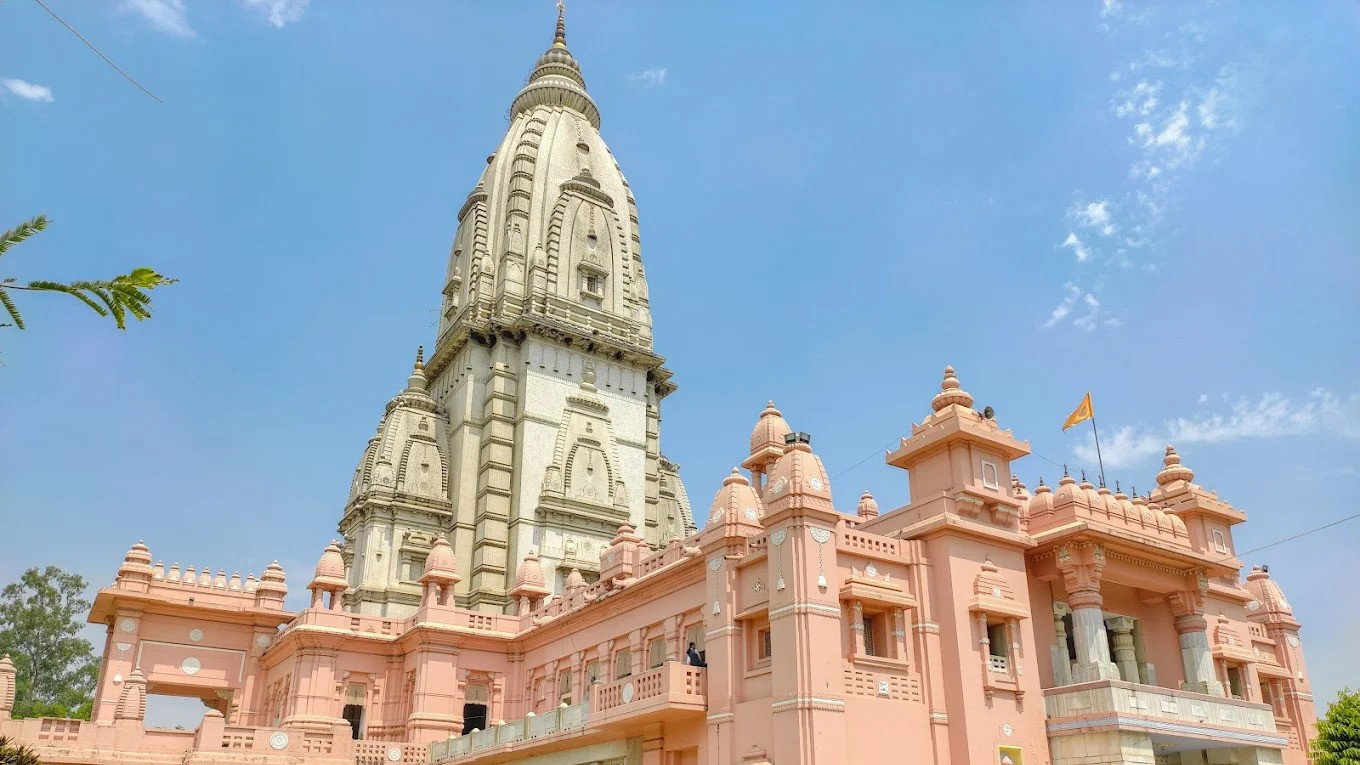
“ Shri Vishwanath Temple, popularly known as the New Vishwanath Temple or Birla Temple, is a landmark Shiva temple inside BHU, admired for its towering marble architecture, serene surroundings, and unique blend of spirituality and education. ”
Shri Vishwanath Temple, popularly known as the New Vishwanath Temple or Birla Temple, is a prominent Hindu temple located within the campus of Banaras Hindu University (BHU) in Varanasi, Uttar Pradesh. Dedicated to Lord Shiva, the temple was envisioned by Pandit Madan Mohan Malaviya, the founder of BHU, as a place where spirituality and education could coexist. Today, it is one of the city's most recognisable landmarks, attracting students, pilgrims, tourists, and researchers from across India and abroad.
Unlike the historic Kashi Vishwanath Temple in the old city, the BHU temple was designed as a modern interpretation that welcomes visitors regardless of caste, religion, or nationality. Its peaceful surroundings, towering marble structure, and inscriptions from Hindu scriptures make it both a place of worship and a centre for contemplation.
History
The idea of constructing a Vishwanath Temple within the university campus originated with Pandit Madan Mohan Malaviya, who believed that education should be rooted in India's spiritual traditions. He envisioned a temple where students could seek inspiration alongside academic learning.
The foundation stone was laid on 11 March 1931, with financial support from the industrialist Birla family, who sponsored much of the construction. Building the temple was an ambitious undertaking and took nearly 35 years to complete. It was finally inaugurated in 1966, becoming one of the defining landmarks of the university.
Because of the Birla family's patronage, the temple is also commonly known as the Birla Temple of Varanasi, although its official name remains Shri Vishwanath Temple.
Architecture
Constructed primarily from white marble, the temple rises to a height of approximately 77 metres (about 250 feet), making it one of the tallest temple towers in India. Its design draws inspiration from the original Kashi Vishwanath Temple while adopting a more spacious and modern layout.
The temple consists of multiple levels with beautifully carved pillars, spacious prayer halls, and wide verandas overlooking the green campus of BHU. Unlike the narrow lanes surrounding the old Kashi Vishwanath Temple, the New Vishwanath Temple stands amid landscaped gardens and open spaces, creating a calm atmosphere for visitors.
One of its distinctive features is the extensive inscription of the Bhagavad Gita and selected verses from Hindu scriptures on the marble walls. These inscriptions allow visitors to read sacred texts while walking through the temple, reinforcing the founder's vision of combining learning with devotion.
Deities
The main sanctum houses a Shiva Linga dedicated to Lord Vishwanath. In addition to the principal shrine, the temple complex includes several other shrines dedicated to:
Goddess Parvati
Lord Ganesha
Lord Hanuman
Goddess Saraswati
Nataraja
Panchmukhi Mahadev
Nandi
Lakshmi Narayan
Goddess Durga
The presence of multiple shrines within a single complex reflects the inclusive philosophy of the temple and represents different aspects of Hindu worship.
Religious and Cultural Significance
Although it is not one of the twelve Jyotirlingas, Shri Vishwanath Temple holds immense importance for the BHU community and visitors to Varanasi. It symbolises the harmony between knowledge, spirituality, and service to society.
Students often visit the temple before examinations, during festivals, or simply for moments of quiet reflection. The temple also hosts special prayers and celebrations on occasions such as Mahashivratri, Shravan, and other important Hindu festivals.
Its open-door policy welcomes people of all faiths, reflecting Pandit Madan Mohan Malaviya's vision of creating a spiritual space that transcends social barriers.
Visitor Experience
Visitors enter the temple through the tree-lined avenues of the BHU campus, offering a peaceful contrast to the bustling streets of central Varanasi. The temple's serene environment makes it popular not only among devotees but also among photographers, architecture enthusiasts, and tourists.
From the upper floors, visitors can enjoy panoramic views of the university campus. The well-maintained gardens surrounding the temple provide an ideal setting for meditation and quiet walks.
The temple generally experiences its largest crowds during Mahashivratri and Mondays of the holy month of Shravan, while the rest of the year it offers a relatively calm atmosphere for worship.
Location
Shri Vishwanath Temple is situated near the centre of the Banaras Hindu University campus in southern Varanasi. It is approximately:
7 km from the original Kashi Vishwanath Temple
5 km from Assi Ghat
8 km from Varanasi Junction Railway Station
Around 30 km from Lal Bahadur Shastri International Airport
The temple is easily accessible by auto-rickshaws, taxis, city buses, and app-based cab services.
Legacy
More than just a religious monument, Shri Vishwanath Temple represents the ideals upon which Banaras Hindu University was founded—the integration of education, culture, and spirituality. For generations of students, it has remained a symbol of learning guided by ethical and spiritual values.
Today, the temple continues to serve as one of Varanasi's most visited landmarks, offering a unique blend of architectural beauty, devotional significance, and academic heritage.