Namo ghat
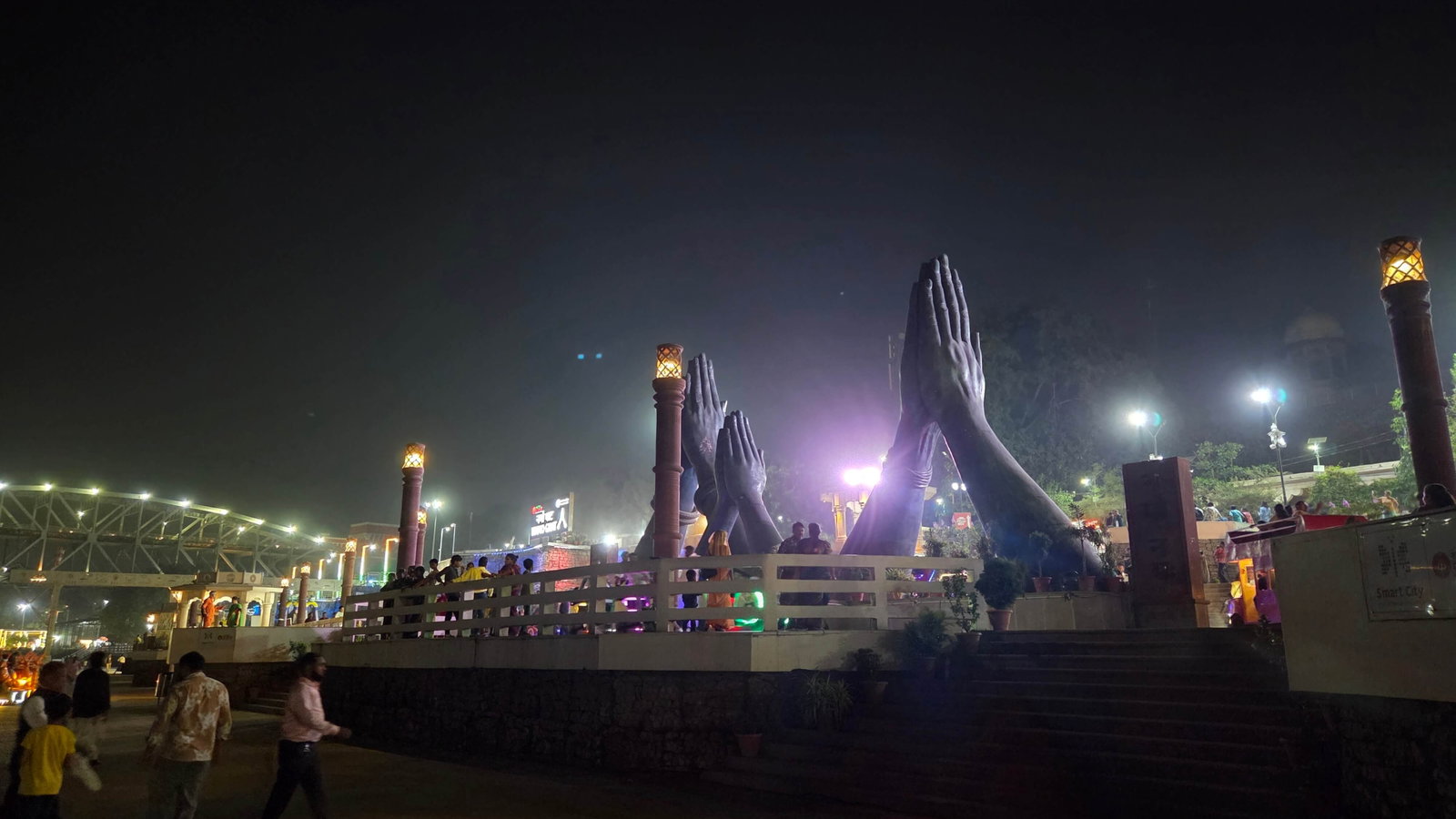
“ Namo Ghat is a modern riverfront ghat on the banks of the Ganges in Varanasi, Uttar Pradesh. Redeveloped from the historic Khidkiya Ghat and inaugurated in 2023, it features landscaped promenades, recreational facilities, river cruise terminals, and public spaces that blend contemporary urban design with the traditional character of Varanasi's historic riverfront. ”
Namo Ghat is a modern riverfront ghat situated on the banks of the River Ganges in Varanasi, Uttar Pradesh, India. Located in the city's northern riverfront near Rajghat, it is one of the newest additions to Varanasi's network of ghats. Developed as part of a large-scale riverfront redevelopment initiative, Namo Ghat combines traditional architectural elements with modern public amenities, making it a popular destination for recreation, tourism, cultural activities, and water sports.
Since its inauguration in 2023, the ghat has emerged as one of the city's most visited public spaces, attracting local residents, pilgrims, fitness enthusiasts, and tourists throughout the day.
History
The site formerly consisted of the old Khidkiya Ghat, a relatively lesser-known stretch of the riverfront. As part of efforts to modernise Varanasi's infrastructure and improve public access to the Ganges, the area was extensively redeveloped under the Government of India's riverfront beautification programme.
Following its redevelopment, the ghat was renamed Namo Ghat. The project introduced landscaped gardens, walkways, recreational spaces, improved river access, and facilities for cultural and tourism-related activities while preserving the traditional appearance of the riverfront.
The redevelopment transformed what was once a quiet section of the ghats into one of Varanasi's most contemporary public spaces.
Architecture and design
Unlike many of Varanasi's historic ghats that evolved gradually over centuries, Namo Ghat was designed as a planned urban riverfront.
The broad sandstone steps descend gently toward the Ganges, while spacious promenades connect landscaped gardens, seating areas, viewing platforms, and pedestrian pathways. Decorative lighting allows the riverfront to remain active after sunset, and carefully designed open spaces accommodate both everyday visitors and public events.
One of the most recognisable features of the ghat is a series of large sculptural seating installations shaped like folded hands (Namaste), symbolising Indian hospitality and serving as popular photo locations.
The ghat has also been designed with improved accessibility, including ramps and wider pathways for visitors of different age groups and mobility levels.
Facilities
Namo Ghat offers a variety of public amenities uncommon at many of the city's older ghats.
Facilities include:
Landscaped gardens and green spaces
Jogging and cycling tracks
Children's play areas
Open-air gym equipment
Cafés and refreshment kiosks
Public seating areas
Viewing decks overlooking the Ganges
Clean washrooms and changing facilities
Parking areas
Floating jetties for boats and cruises
The riverfront is maintained as a clean public space and hosts regular cultural programmes, yoga sessions, and community events.
Water tourism
Namo Ghat has become an important centre for river tourism in Varanasi. Floating jetties enable passengers to board cruise vessels, electric boats, and tourist ferries operating along the Ganges.
The ghat also serves as a venue for adventure and recreational activities such as kayaking, rowing demonstrations, and water sports during suitable river conditions. These initiatives are intended to diversify tourism beyond traditional religious sightseeing.
Cultural significance
Although it does not possess the ancient religious associations of ghats such as Dashashwamedh Ghat, Assi Ghat, or Manikarnika Ghat, Namo Ghat has quickly established itself as an important cultural and recreational destination.
Morning yoga sessions, music performances, fitness events, art exhibitions, and festivals are regularly organized at the venue. During national celebrations and major festivals, the ghat is illuminated and serves as a gathering place for residents and visitors alike.
Its combination of heritage-inspired architecture and modern facilities reflects the city's broader efforts to balance cultural preservation with urban development.
Tourism
Namo Ghat has become particularly popular among photographers and visitors seeking panoramic views of the Ganges and the Varanasi skyline. Sunrise and sunset are considered the best times to visit, when the riverfront offers clear views of boats, temples, and the city's historic ghats.
Unlike the more crowded central ghats, Namo Ghat provides wider open spaces, making it attractive for families, walkers, cyclists, and visitors looking for a quieter experience.
The ghat is also increasingly included in river cruise itineraries and city sightseeing tours.
Accessibility
Namo Ghat is located approximately 5 kilometres north of Dashashwamedh Ghat and can be reached by road from various parts of Varanasi. Auto-rickshaws, taxis, and local buses provide convenient access, while boat services connect it with several major ghats along the Ganges.
Its proximity to Rajghat and the Malviya Bridge makes it easily accessible for visitors arriving from different parts of the city.