Manikarnika Ghat
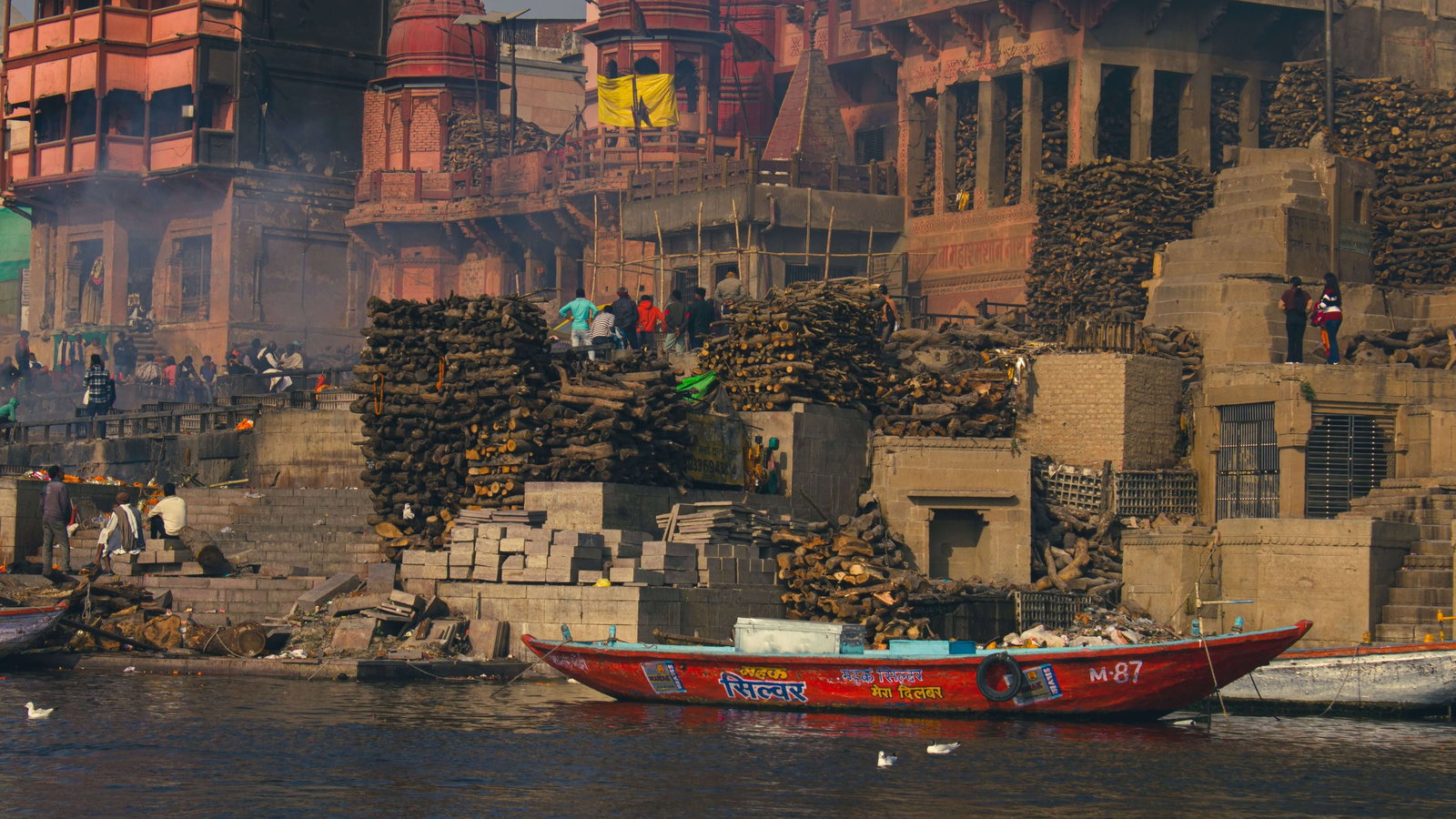
“ Manikarnika Ghat is Varanasi's oldest and most sacred cremation ghat, where funeral rites have been performed continuously for centuries. Deeply rooted in Hindu tradition, it symbolises the belief in liberation, making it one of the city's most spiritually significant places. ”
Overview
Manikarnika Ghat is one of the oldest and most significant ghats in Varanasi, Uttar Pradesh. Situated on the western bank of the River Ganges, it is widely recognised as the city's principal cremation ghat and holds immense religious importance in Hinduism. Unlike many other ghats that are known for rituals, ceremonies, or leisure activities, Manikarnika Ghat is dedicated almost entirely to the continuous performance of last rites.
The ghat is often described as the spiritual heart of Varanasi, where life and death exist side by side. Funeral pyres burn throughout the day and night, making it one of the few places in the world where cremation is carried out without interruption. For many Hindus, being cremated here is believed to help attain moksha, liberation from the cycle of birth and death.
Historical Background
The history of Manikarnika Ghat stretches back several centuries, although its exact origins are difficult to determine. References to the site appear in ancient Hindu scriptures and pilgrimage texts, highlighting its importance long before the modern city took shape.
The present-day structure of the ghat has undergone multiple renovations over time under the patronage of various rulers and local communities. Despite these changes, its primary purpose has remained unchanged for generations.
Because of its continuous religious use, Manikarnika Ghat is considered not merely a historical landmark but a living heritage site where centuries-old traditions continue to be practised every day.
Origin of the Name
The name "Manikarnika" is derived from two Sanskrit words: mani, meaning jewel, and karna, meaning ear.
According to Hindu mythology, Lord Vishnu performed intense penance at this location while awaiting Lord Shiva. During this time, a jewelled earring belonging to Goddess Parvati is believed to have fallen into a sacred pond near the ghat, known as the Manikarnika Kund. This legend gave the place its name and contributed to its spiritual significance.
Another tradition states that Lord Vishnu created the kund with his own effort, making it one of the oldest sacred water tanks in Varanasi.
Religious Significance
For devout Hindus, Manikarnika Ghat is among the holiest cremation grounds in India. It is believed that those whose final rites are performed here are freed from the endless cycle of rebirth.
The sacred fire used for cremations is traditionally said to have been burning continuously for centuries. Families arriving with the deceased purchase fire from the keepers of this eternal flame before the cremation begins.
The rituals performed at the ghat follow long-established customs and are carried out by priests and members of communities that have preserved these traditions across generations.
Many pilgrims visit not only to perform funeral rites but also to witness one of Hinduism's most profound spiritual beliefs, that death is not an end, but a transition toward liberation.
Daily Life at the Ghat
Unlike many of Varanasi's riverfront ghats that are filled with morning yoga sessions, evening ceremonies, or tourist activities, Manikarnika Ghat has a solemn atmosphere.
Funeral processions regularly arrive through the narrow lanes carrying the deceased on bamboo biers decorated with flowers and cloth. After traditional prayers, the bodies are cremated on open-air pyres built from carefully arranged logs.
The work of preparing pyres, managing the cremation grounds, and assisting grieving families continues around the clock. Smoke rising from the pyres has become one of the defining images of the ghat.
Visitors often notice the striking contrast between nearby ghats where pilgrims bathe or children play and, only a short distance away, life concludes through sacred rituals at Manikarnika.
Visiting Manikarnika Ghat
Manikarnika Ghat is open throughout the day and night, but visitors are expected to behave with respect and sensitivity. Since the site is an active cremation ground rather than a tourist attraction, maintaining silence and giving space to mourning families is considered appropriate.
Photography of cremation rituals is widely discouraged and is generally viewed as disrespectful. Visitors should also avoid interfering with ceremonies or approaching funeral pyres without permission.
The best way to observe the ghat is often from a boat on the River Ganges or from designated public pathways, where one can appreciate its historical and religious importance without disturbing ongoing rituals.
Nearby Attractions
Several important landmarks are located within walking distance of Manikarnika Ghat, making it part of many heritage walks through the old city.
Notable nearby places include:
Kashi Vishwanath Temple
Dashashwamedh Ghat
Lalita Ghat
Scindia Ghat
Vishwanath Gali
Manikarnika Kund
These locations together offer insight into the religious, architectural, and cultural heritage of Varanasi.
Cultural Importance
Manikarnika Ghat has inspired countless writers, photographers, filmmakers, and spiritual seekers from around the world. Its unique atmosphere has made it one of the most discussed places in Varanasi, representing the Hindu understanding of impermanence and the continuity of existence.
While many visitors initially arrive out of curiosity, they often leave with a deeper appreciation of the city's philosophy that life and death are inseparable parts of the same journey.
Today, Manikarnika Ghat remains not only a sacred cremation ground but also one of the defining symbols of Varanasi's enduring spiritual identity.