Pehalwan Lassi
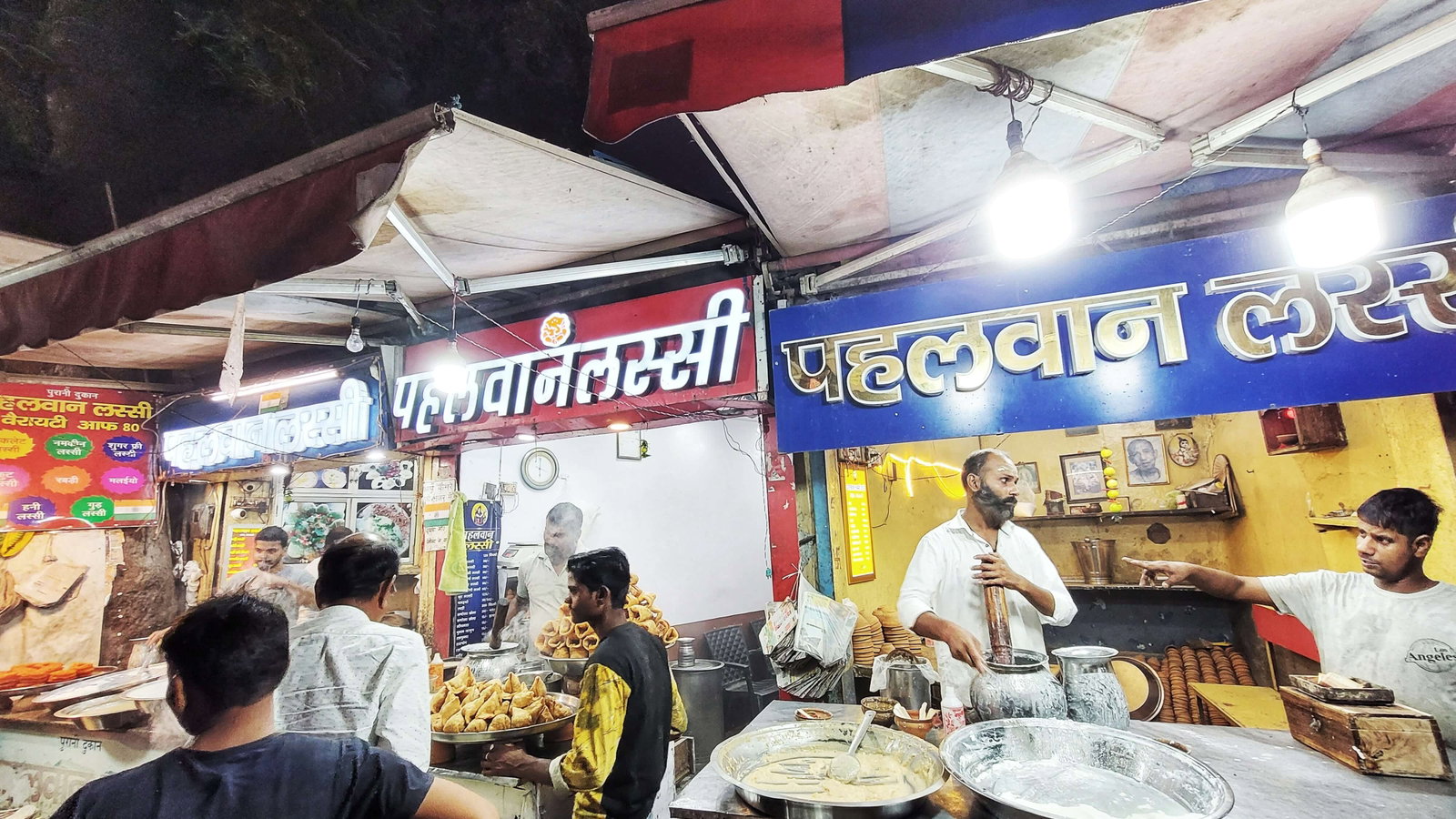
“ Pehalwan Lassi is one of Varanasi's most celebrated traditional lassi shops, renowned for its thick, hand-churned lassi served in earthen kulhads with a generous layer of malai. Established around 1950 in the Lanka area, it has become an enduring symbol of Banaras' rich street food culture, attracting locals, students, pilgrims, and visitors from around the world. ”
Pehalwan Lassi is a historic lassi shop in the Lanka area of Varanasi, Uttar Pradesh, India. Known for its thick, hand-churned lassi served in traditional earthen cups (kulhads), the shop is considered one of the city's best-known destinations for this yogurt-based drink. Over the decades, it has become a popular stop for local residents, students of Banaras Hindu University (BHU), pilgrims, and tourists visiting Varanasi.
The establishment is regarded as an important part of Banaras' street food culture and is frequently mentioned alongside other iconic food outlets in the city.
History
Pehalwan Lassi was established around 1950 by Panna Sardar Pehalwan, from whom the shop derives its name. Since its inception, the business has remained family-operated and has continued to prepare lassi using traditional methods rather than mechanised mixing.
Located near Ravidas Gate in the Lanka neighbourhood, the shop gradually gained popularity among students, residents, and visitors. Its proximity to Banaras Hindu University helped make it a familiar landmark for generations of students, many of whom associated a visit to Lanka with a stop for a kulhad of lassi.
Despite the changing food landscape of the city, the shop has retained its reputation for serving freshly prepared lassi with a generous layer of malai (clotted cream), a style closely associated with Banaras.
Preparation and serving style
The signature lassi is prepared from fresh curd that is hand-churned until smooth and creamy. It is traditionally sweetened and flavoured with ingredients such as saffron, rose water, or cardamom, depending on the variety ordered. The drink is served in disposable earthen cups, locally known as kulhads, which impart a subtle earthy aroma.
A thick layer of fresh malai is added on top, often accompanied by rabri or chopped dry fruits in premium versions. This rich serving style distinguishes Banarasi lassi from lighter versions found in many other parts of India.
Although the classic sweet lassi remains the most popular choice, the shop has introduced several flavoured varieties over the years while maintaining its traditional preparation methods.
Cultural significance
Pehalwan Lassi has become more than a beverage outlet; it is a familiar part of everyday life in Lanka. Students often gather there after classes, travellers stop for refreshments before or after visiting nearby attractions, and local families consider it a long-standing culinary institution.
The shop has also attracted politicians, film personalities, musicians, and other public figures during their visits to Varanasi, contributing to its reputation beyond the city. Its popularity through travel blogs, food documentaries, and social media has further strengthened its status as one of Varanasi's iconic food destinations.
Relocation
In June 2025, the original shop at Lanka was demolished during a road-widening project undertaken by local authorities. The demolition attracted widespread public attention because of the cultural significance of the establishment and its long association with the neighbourhood.
Following the demolition, the business relocated and resumed operations from a nearby location, allowing the decades-old tradition to continue despite the loss of its historic premises.
Legacy
Pehalwan Lassi remains one of the best-known examples of Banaras' traditional dairy-based refreshments. Along with the city's famous kachori, chaat, malaiyo, and paan, it forms part of the culinary identity that draws visitors from across India and abroad.
Its emphasis on hand-prepared lassi, traditional serving in kulhads, and continuity across generations has helped preserve an enduring aspect of Varanasi's food heritage.